Directory
A-Z Index
 
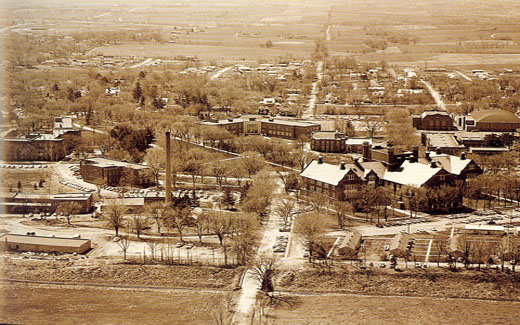
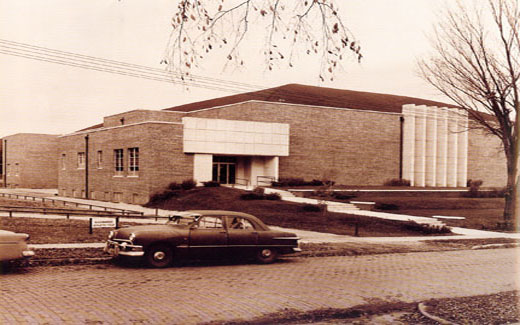
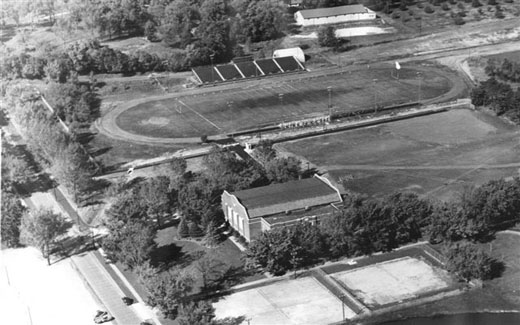
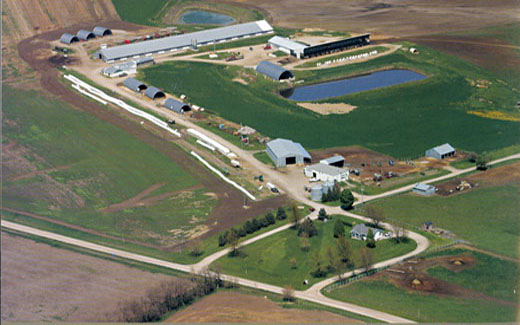
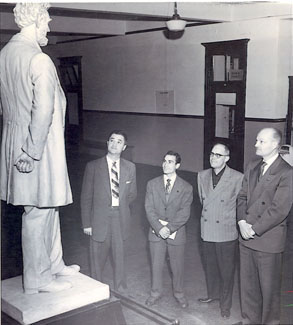
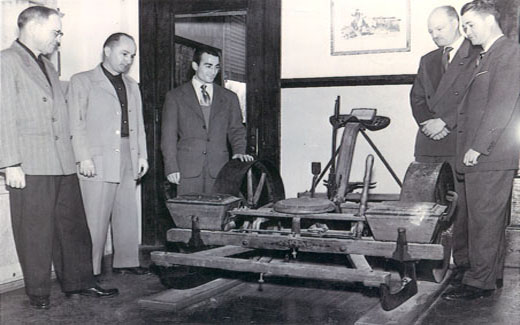
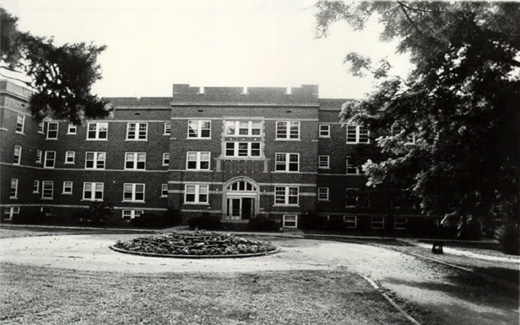
•	An aerial view of the Northwest campus from its north side in 1960, featuring the new Lamkin Gymnasium, Colden Hall, residence halls and veterans housing in the area now occupied by the Garrett-Strong Science Building.•	Lamkin Gymnasium, as it was named when it opened in 1959, honors former President Uel Lamkin and was built to accommodate the growing needs of university athletics and recreation.•	The football stadium was renamed Rickenbrode Stadium to honor William A. Rickenbrode, the registrar, secretary to the Board of Regents and an avid football fan.•	Farming and agriculture have always played an important role at Northwest. The institution established a farm in 1905 to coincide with the college’s founding, and it still plays an important role in Northwest's agricultural endeavors. During the 1960s, Northwest's farm operations expanded to include a poultry plant, a hog operation, a dairy herd, a beef herd and a small flock of sheep.The statue of Abraham Lincoln in the Administration Building was shot on May 17, 1958.  According to official reports, a guard was patrolling the halls when he saw someone moving toward him.  He told the "person" not to move, but the "person" ignored his warning and the guard was forced to fire his weapon. After this incident, campus security was banned from carrying firearms until 2000.President Bob Foster views antique farming equipment once used on campus at the Northwest Farm.The Women's Residence Hall, which was built during the Teachers College years, was a home away from home for female students living on campus.  The Women's Residence Hall would be the site of a Northwest tragedy during the State College Years.

After World War II, Northwest changed its name from Northwest Missouri State Teachers College to Northwest Missouri State College. The new name reflected the institution’s evolving and growing student population as Northwest had begun training as many business professionals as it was educators.

During this era, the college underwent tremendous growth. New buildings, such as the Olive DeLuce Fine Arts Building in 1964, were constructed while academic programs were added and expanded.

The school also welcomed distinguished visitors who included Harry S. Truman, Eleanor Roosevelt and Louis Armstrong.