Program(s) Available: B.M.E.
Are you looking for a way to fuel your passion for music education? Do you want to learn how to conduct your own band or choir? A degree in music education may be for you. You’ll hone your own musicianship skills – including music theory, performance and conducting – and learn how to teach these skills to students. Whether you choose our vocal music or instrumental music education program, you’ll leave Northwest ready to step into your new role of music teacher.
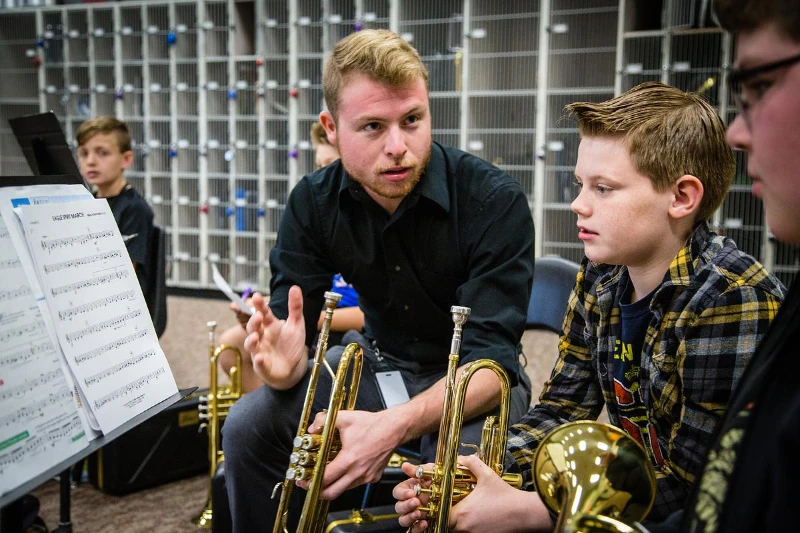
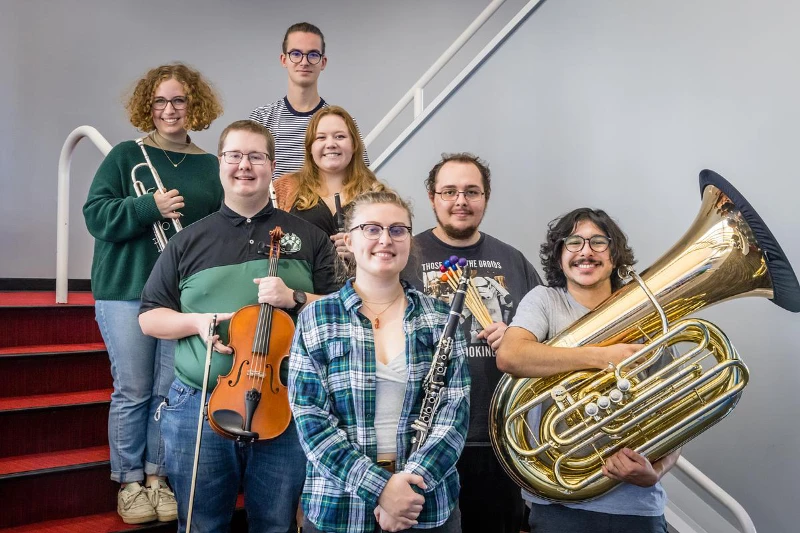
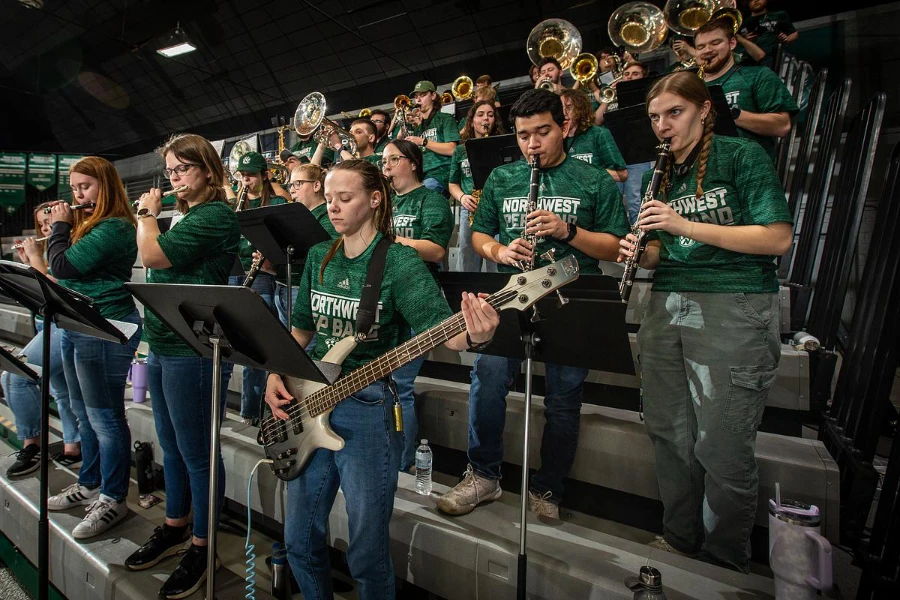
A degree in instrumental music education certifies students to teach music in K-12 classrooms. With this music major, you’ll learn the basics of all band instruments, curriculum design and implementation, classroom management and more! This program is perfect for those interested in conducting their own band and helping students reach their musical potential. Is there anything more fulfilling than helping a student play their first note?
Here are just a few examples of the courses you’ll take:
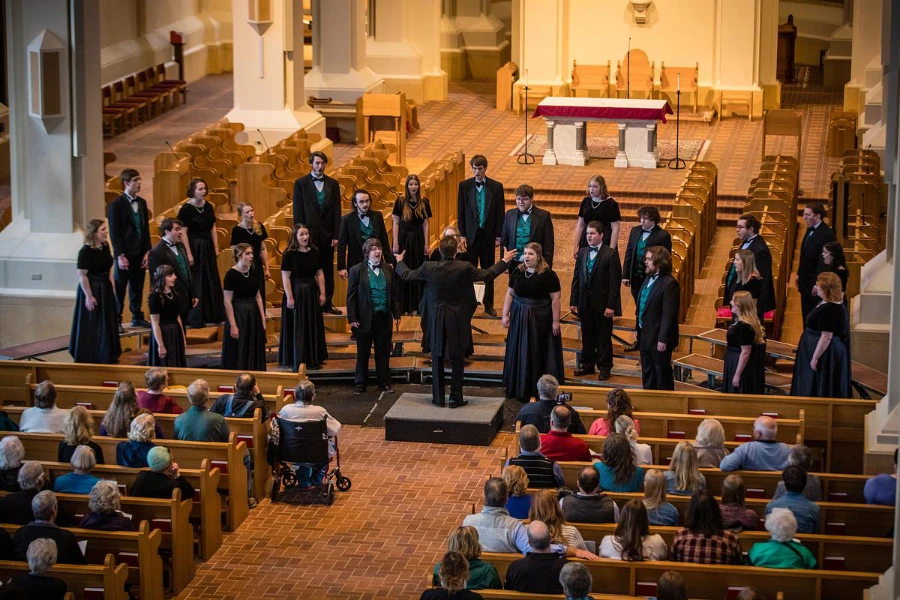
Have you ever wanted to conduct your own choir? Do you love singing? If so, this program could be for you. Our vocal music education major teaches students how to be successful choral conductors and certifies them to teach choir in K-12 classrooms. You’ll also learn how to play the piano, if you don’t already do so. Looks like it’s time to dust off the old piano books!
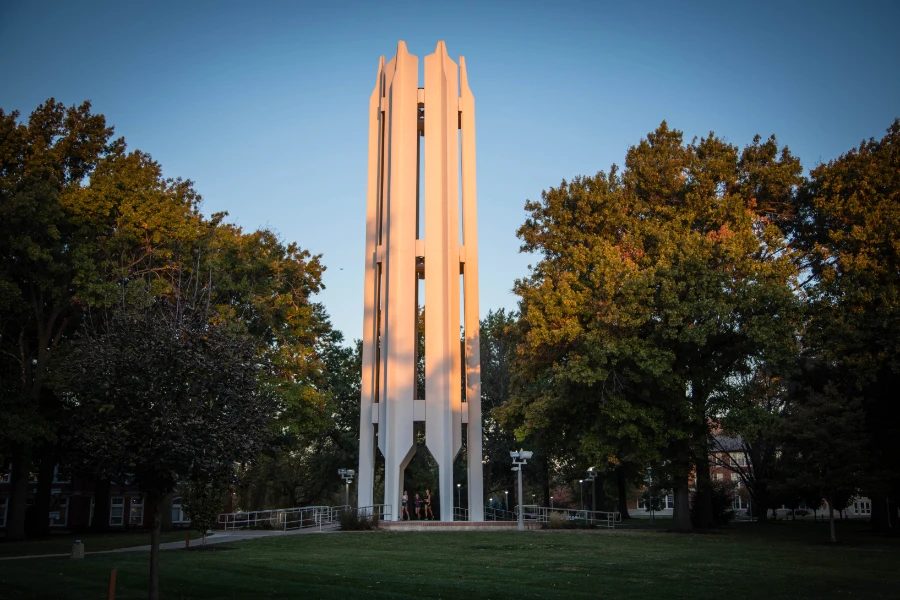
Vocal music education students may also audition for music groups such as Tower Choir, University Chorale and Concert Choir.
Here are just a few examples of the choir courses you’ll take:
Music education majors have lots of opportunities to practice teaching before stepping across the stage at graduation. In addition to gaining experience through practicum, music majors may opt to gain even more experience through classroom projects and guest conducting opportunities. Music majors also have a unique opportunity to stack any admissions-based, academic scholarships with any music performance scholarships they’ve earned. This means double the savings for you!
Psssst: Music scholarships are also available for non-music majors. Yep, you read that right! For more information on scholarships, keep reading.
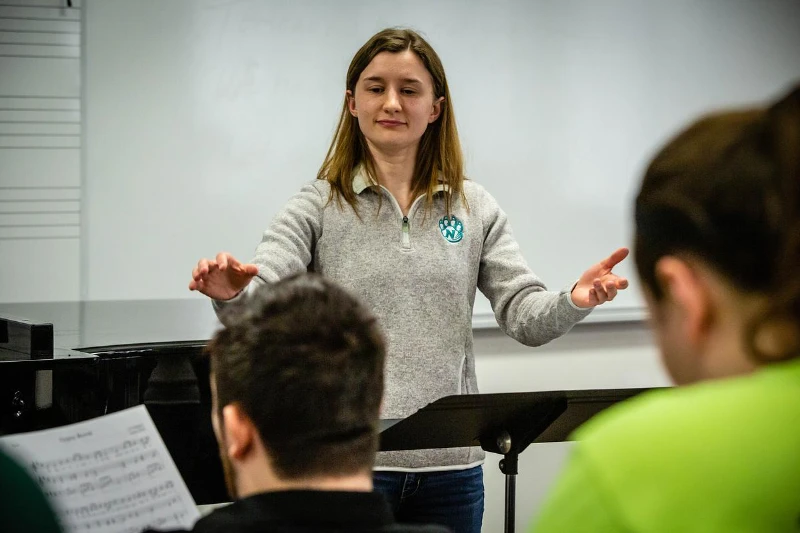
Music majors have several opportunities to conduct throughout their time at Northwest – even before general practicum. In many ensembles, there will be the opportunity for a handful of students to conduct their own piece and be a guest conductor for the performance. Many group projects and assignments also involve conducting. Who says career experience can’t begin early?
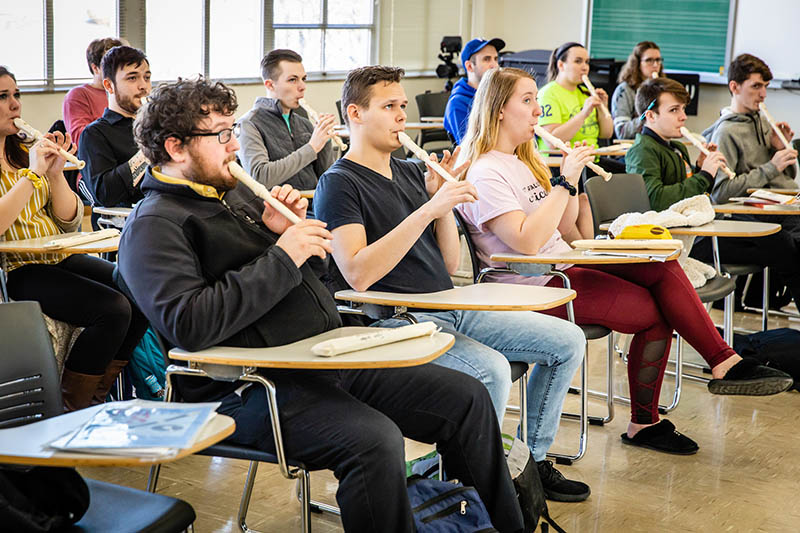
Our instrumental and vocal music education programs are unique to other schools in that students may earn extended certification in another field without having to add a double major or even a minor. For example, instrumental music education majors also interested in teaching choir may add an extended certification in vocal music education, and likewise. Extended certifications allow students to broaden their horizons and meet Missouri certification requirements in music K-12.
Let’s talk about the elephant in the room: cost. Nobody wants to pay full price for college. At Northwest, students don’t have to choose between admissions-based and music scholarships. All scholarships are stackable, meaning any scholarships you’ve earned from your GPA or ACT/SAT scores may be combined with any music performance scholarships you receive. Music scholarships are also available to all students – regardless of major. This unique benefit sets Northwest’s music program apart from our competitors!
School of Fine and Performing Arts
660.562.1326
fparts@nwmissouri.edu
As an instrumental or vocal music education major, you’ll gain all the skills and confidence needed to lead your own classroom someday. With a focus on classroom management and music knowledge, music majors enter the workforce with ample experience and knowledge.
Specific jobs for Music Education include:

The School of Fine and Performing Arts offers several scholarship opportunities to incoming students, regardless of major. Thanks to Northwest’s scholarship stacking policy – a policy that allows students to stack admissions-based scholarships with music scholarships – the financial support is endless. Now you can focus on what really matters, which is developing your music expertise and paving the path to a successful career! Search music-related scholarships or browse all aid below.
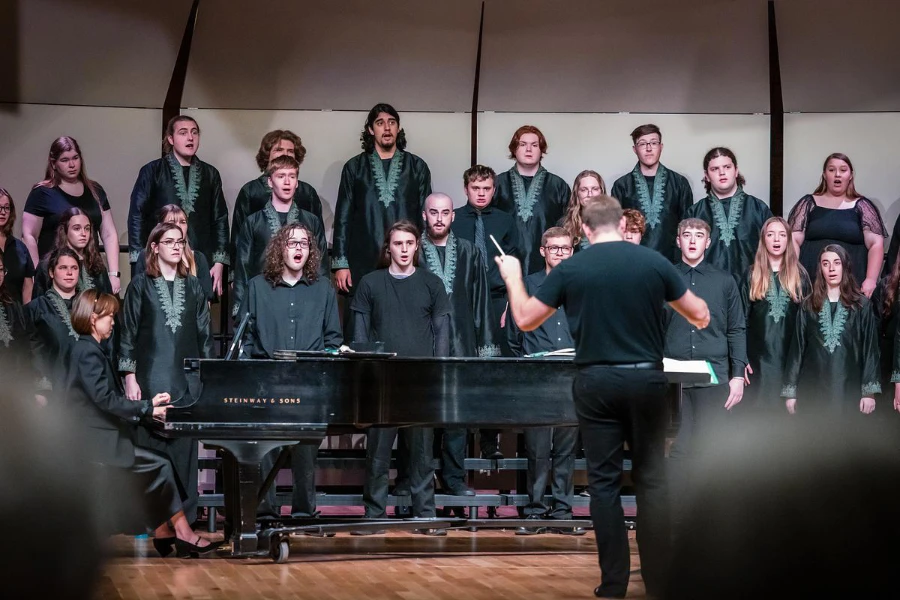
Choral ensembles include University Chorale, Tower Choir, and Concert Choir. Students are also offered opportunities to participate in musical theatre productions.
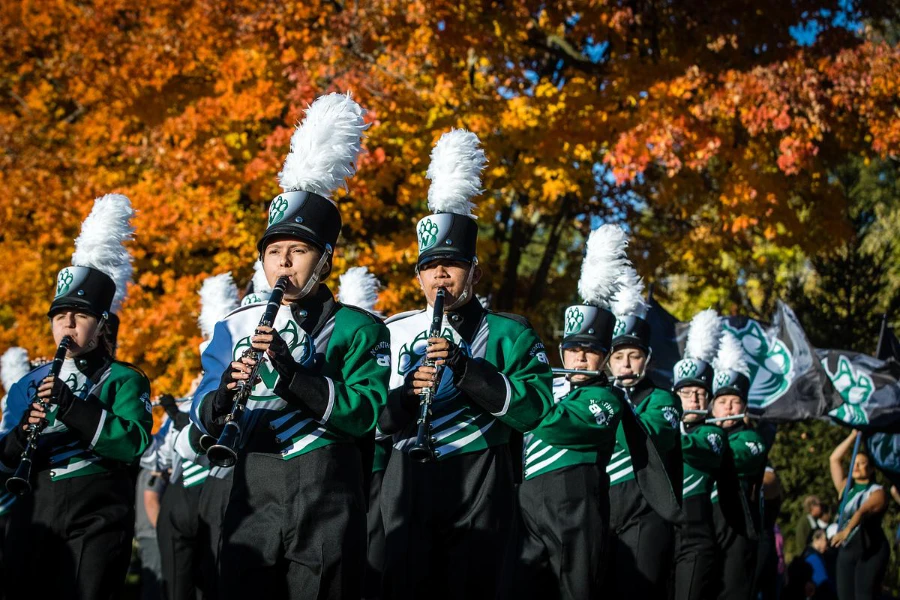
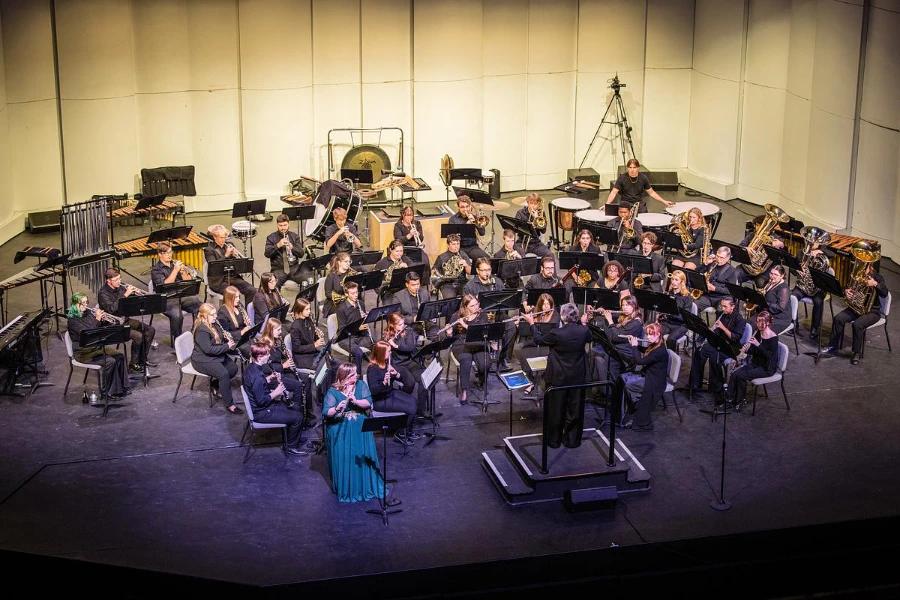
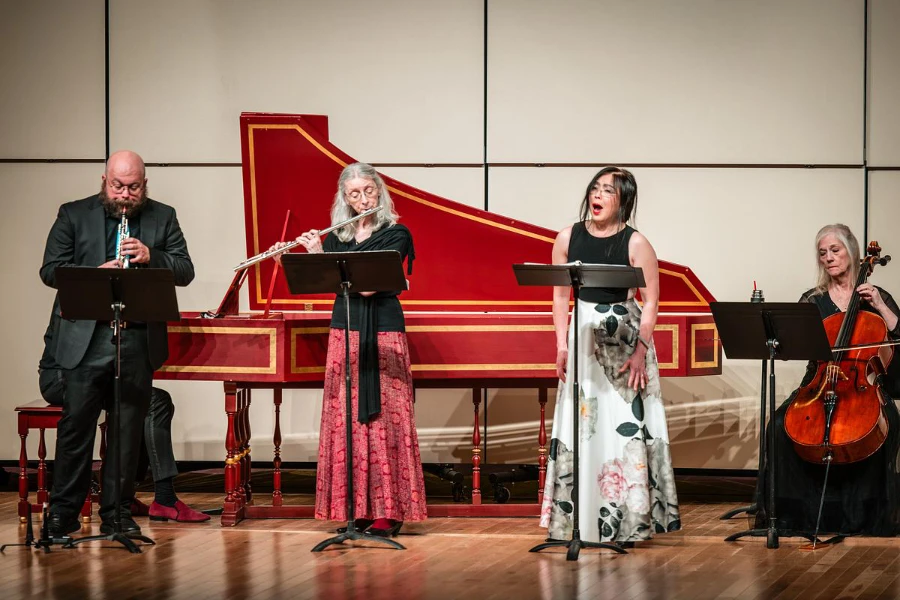
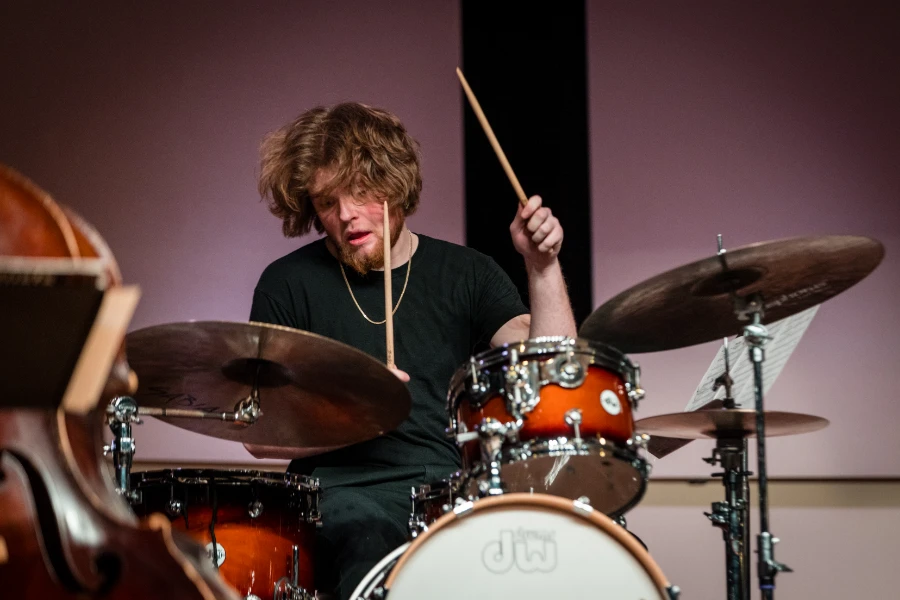
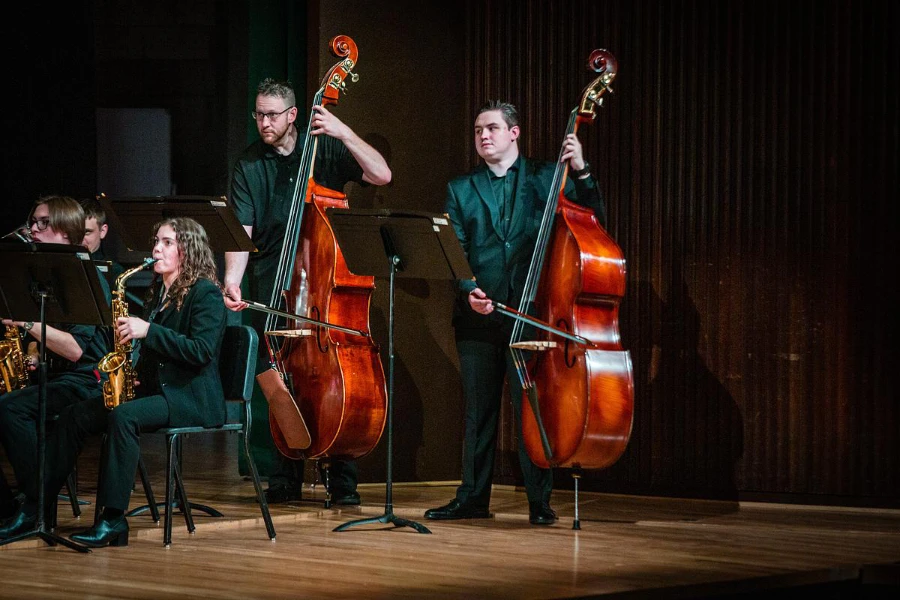
Instrumental ensembles include the Bearcat Marching Band, Bearcat Pep Band, Wind Symphony, Symphonic Band, Concert Band, Jazz Ensemble, Studio Jazz Ensemble, and chamber ensembles.
Many Northwest students are involved in a club or organization on campus. Join groups like Sigma Alpha Iota, Phi Mu Alpha, Kappa Kappa Psi, and the National Association for Music Education to gain new friendships and engage with your peers.


“What I enjoy most about studying music at Northwest is having opportunities to practice the skills I learn and gain experiences to prepare me for my future. Northwest has lots of chances to enhance your abilities and the professors are always willing to help you when you need it.”
Kirby Coy
Instrumental Music Education | Weston, Mo.

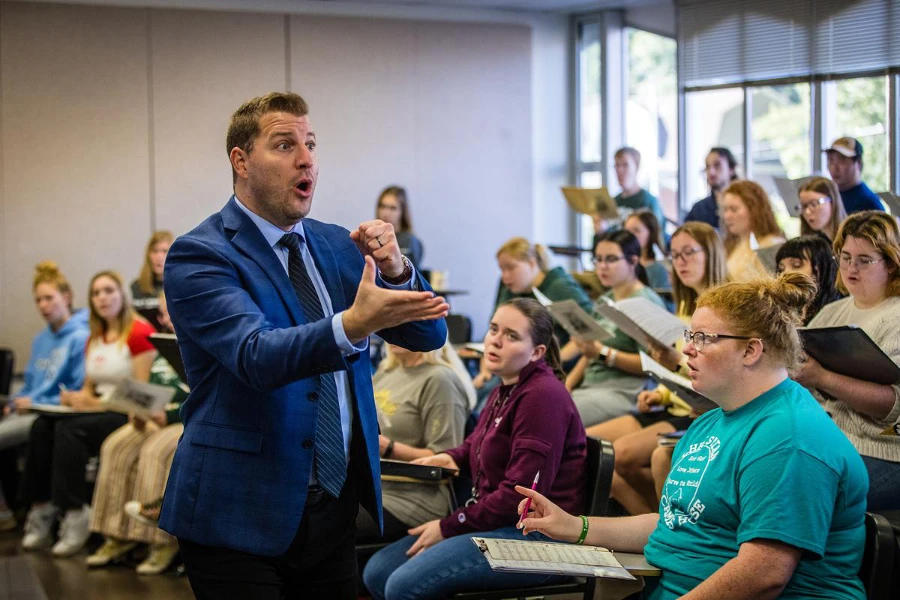
Our music faculty are experts in their field and bring tons of unique teaching experience to the classroom. They bring both academic expertise and real-world musical experience to the table, providing personalized mentorship to help you land a teaching job after graduation!
No. Scholarships are open to anyone - not just music majors! Performance scholarships are awarded on the basis of music auditions and academic achievement. You may be expected to submit an audition tape to be considered for certain music scholarships.
Northwest has first-year, admissions-based undergraduate student scholarships available. Music-specific scholarships are awarded based on academic achievement and music auditions. For specific information about music scholarships, students are encouraged to reach out to a Northwest music faculty member or by emailing the School of Fine and Performing Arts at fparts@nwmissouri.edu.
Extended certification allows students to add an additional certificate to their major. For example, if you are majoring in instrumental music education, you have the option to add on the vocal music education extended certification. This would allow you to teach vocal music education in a Missouri K-12 classroom in addition to instrumental music education. While extended certification is not mandatory, it’s a great idea for those who want to keep their options open after graduation.
A music education degree at Northwest certifies you to teach in several states. View a cumulative list of which states you’ll be eligible to teach in after graduation.
Note: Northwest advisors work with each student to ensure their requirements are met through provision of additional coursework. Students who live in a state where Northwest programming is not accepted can attest that they will seek employment in a state that it is accepted.
Related Majors |
Latest Blogs |