 » Media Center » News Releases » 2026 » August
Tornadoes. Wildfires. Hazardous materials spills. Infectious disease outbreaks. When disasters like these occur, communities need professionals who are already prepared to act.
That's the work of emergency and disaster management. If you want a career defined by purpose and community impact, emergency management is among the most rewarding on-the-ground fields you can choose. In this blog, we’ll share more about the definition of emergency management, careers available in the field and what to expect in a degree program.
Explore the Emergency Management Major
Emergency management (also called emergency and disaster management) is a field dedicated to preparing for, responding to and recovering from disasters and emergencies (both natural and human-caused). Emergency management brings policy and action together, and it is critical to the health and recovery of communities.
Professionals in this field work to prevent and respond to a wide range of emergencies, including:
Emergency and disaster management has four core facets:
How each of these phases comes about in practice is unique to the community, agency and disaster type. Emergency management might mean writing an emergency operations plan for a county government, coordinating shelter operations after a flood or running a simulation exercise to assess how a hospital handles a mass casualty event. The field's scope is broad, offering opportunities for college graduates with nearly any interest.
One of the main reasons students choose to major in emergency management is the opportunity for rewarding, impactful careers. Not every degree prepares you to protect lives. Emergency management does – it's a major in which your education is explicitly focused on preventing and reducing harm, strengthening communities and responding to high-stakes situations.
Many students also pursue a degree in disaster management because:
As natural disasters become more frequent and severe, and as the range of human-caused and technological threats expands, communities and organizations at every level need trained professionals who know how to respond.
Federal, state and local governments, nonprofits, hospitals, universities and private companies all need people who can build continuity plans, coordinate responses and manage the human and logistical complexity of a crisis. And the numbers show it – The U.S. Bureau of Labor Statistics estimates job growth to be 3% by 2034, and median pay for emergency management professionals was $86,130 per year in 2024.
For graduates with a degree in emergency management, this demand translates into career stability.
A degree in emergency management provides you with a variety of both specialized and broadly applicable skills. You’ll gain practical training in risk assessment, strategic planning, crisis leadership and resource management. You’ll also develop critical thinking, decision-making and communication skills – all of which are in demand in government, nonprofit, health care, military and private sector roles. And because the field spans everything from natural disaster response to public health emergencies to homeland security, there's room to follow your specific interests.
Emergency management is a field where no two paths look the same. Entry-level roles in direct response can grow into a variety of more advanced positions later in your career. Some professionals advance into director-level positions overseeing emergency management operations for entire counties, hospital systems or federal agencies. Others develop deep expertise in a specific area, such as hazard mitigation, public health preparedness, humanitarian logistics, homeland security or business continuity, and become the specialists that organizations actively seek out.
The field also rewards continued learning: Certifications, advanced degrees and accumulated field experience all lead to new opportunities. For students who want a career with both immediate purpose and long-term trajectory, emergency management delivers on both fronts.

So, what specific emergency and disaster management jobs can you get if you major in the field? Whether you want to work in government, public safety, first response, humanitarian organizations, health care, military or for a private organization, opportunities abound.
Job titles include:
Many emergency management degree graduates also go on to be police officers, firefighters, public information officers, and occupational health and safety officers.
If you’re interested in these or related roles, the first step toward them is to earn a bachelor’s degree in emergency and disaster management. Emergency and disaster management degree programs provide you with a foundation in core disciplines you’ll rely on every day in the field: disaster psychology, crisis communication, hazard mitigation, vulnerability assessment, emergency operations planning and more.
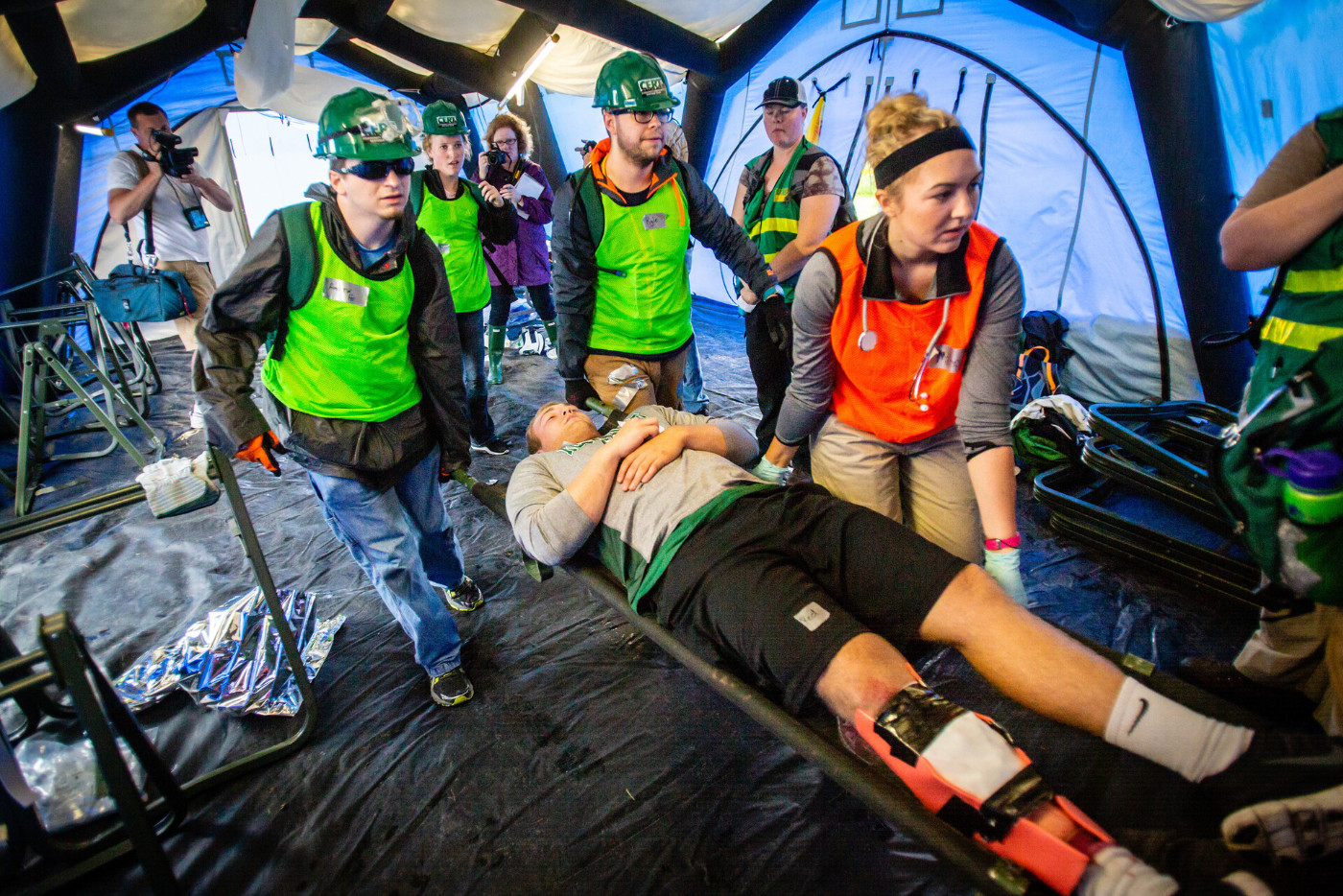
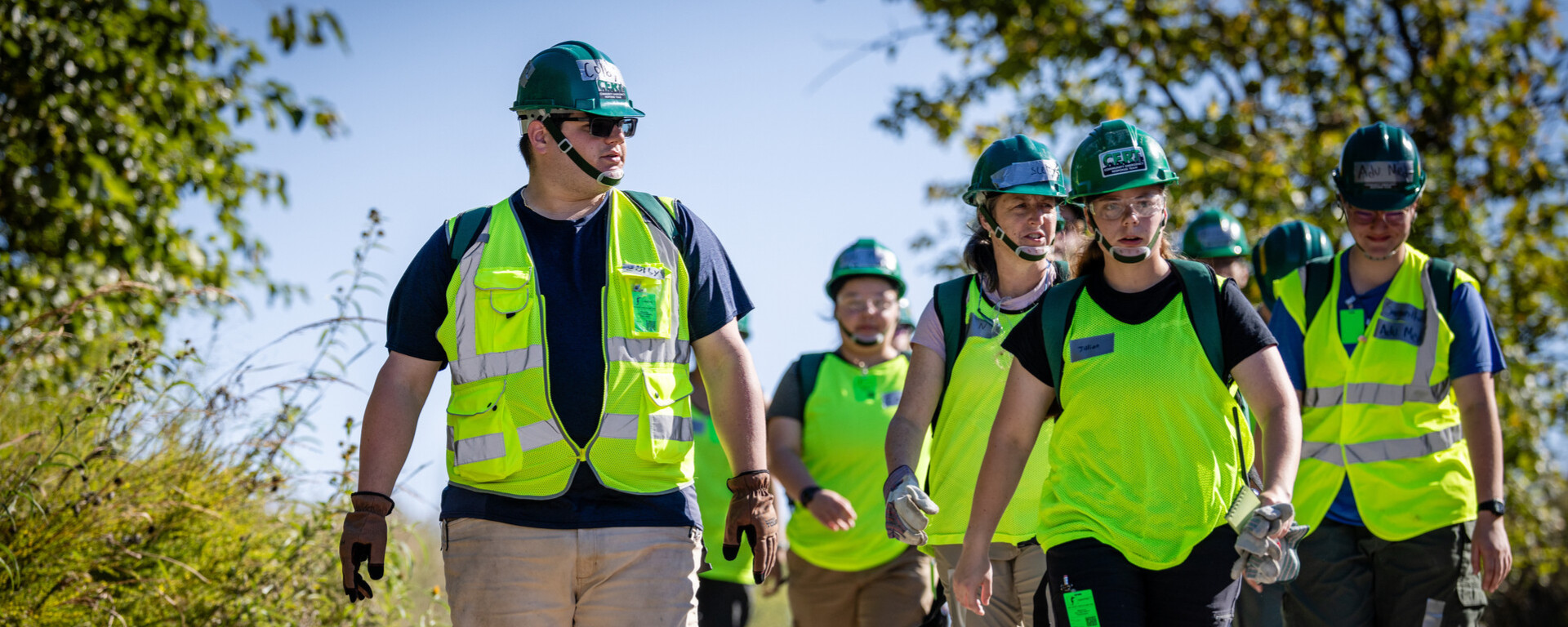
The best emergency and disaster management degree programs also provide field experience. Programs like Northwest’s put you in the scenarios you’ll be facing on the job – situations where you have to make fast decisions, coordinate with real agencies and manage logistical complexities. A bachelor’s degree in emergency and disaster management helps ensure you’re fully equipped to step into the job, particularly when it matters most.

Not only does Northwest offer the only in-person undergraduate emergency and disaster management program in Missouri, we also focus on profession-based learning, providing you with career-ready experience before you even graduate. At Northwest, you’ll also get to work directly with first responder agencies, nonprofits and subject matter experts, including FEMA representatives, Red Cross personnel and more than 14 county emergency managers, throughout the program.
Here’s what profession-based learning looks like in practice at Northwest:
Through these and other applied learning experiences, you’ll build the confidence you’ll need as a leader, sharpen your decision-making skills and develop the practical skills employers expect. By the time you graduate, you’ll be prepared to step into various emergency and disaster management jobs and start contributing on your first day.
If working in emergency management interests you, explore the degree program today to learn more about the curriculum, your career options and what Northwest has to offer.