 » Media Center » News Releases » 2026 » June
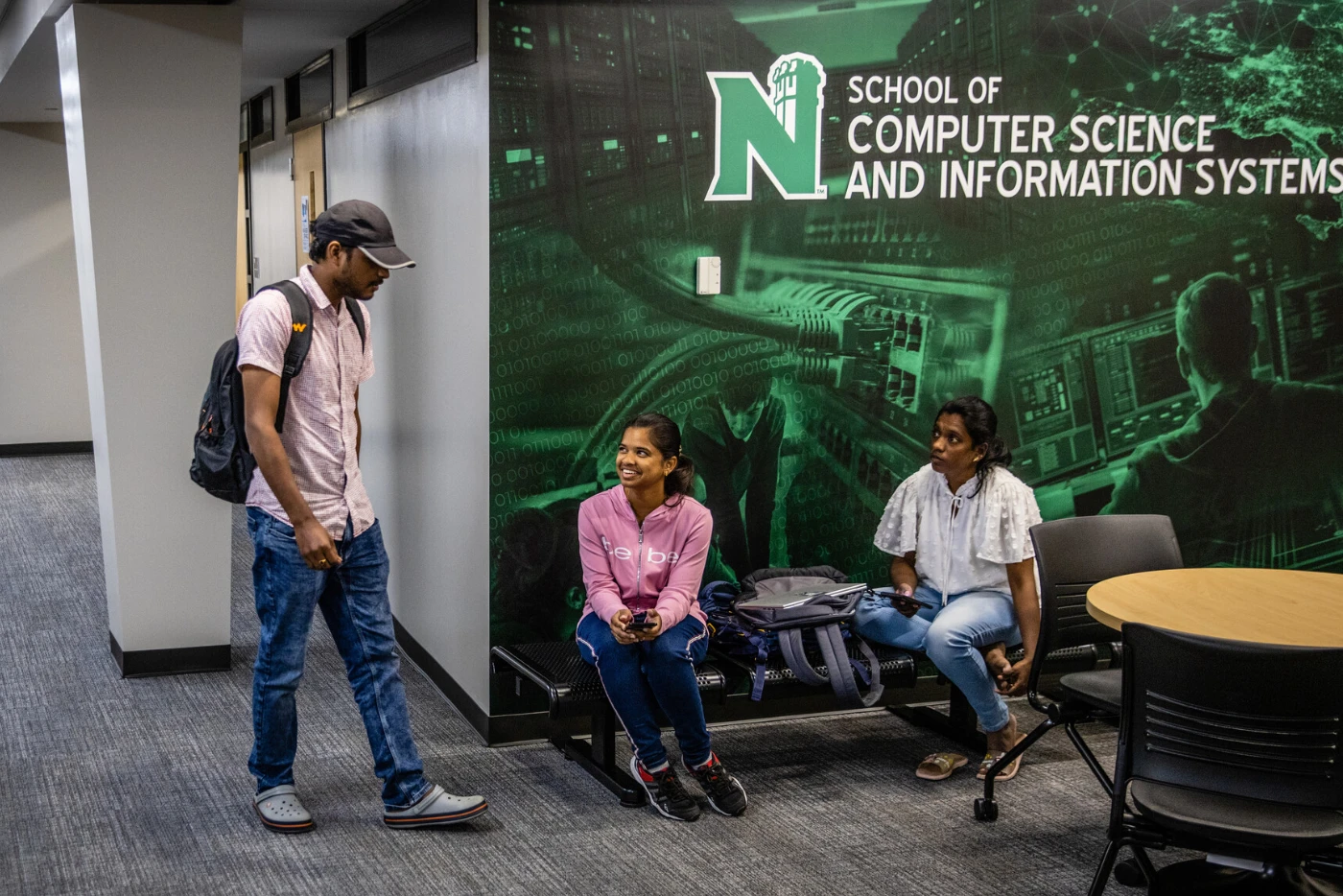
Maybe you enjoy gaming, solving puzzles or writing code. You might be interested in artificial intelligence, designing your own video games or building apps. You know you want a career in tech, but you’re still weighing your options. There are several paths you can take – so is computer science a good major for you?
The answer depends on your specific interests and what you’d like to do with your degree. To help you find the degree you’re looking for, Northwest Missouri State University offers several related majors and ways to Be Every You, allowing you to combine majors and minors for the education that best speaks to who you are. This blog will cover the benefits and qualities of a computer science major to help you decide if it’s the right option for you.
Explore the Computer Science Major
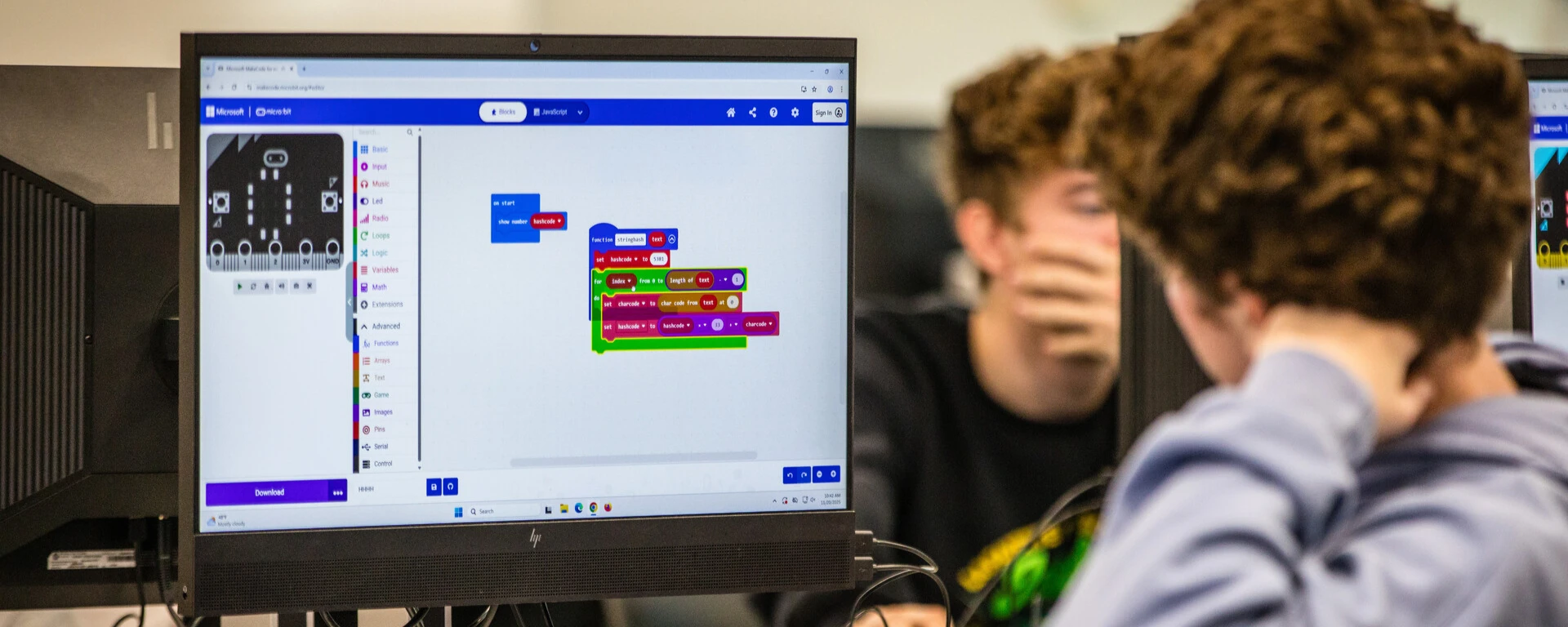
If you’re interested in technology, writing code, programming and developing software, computer science is one of the strongest majors you can choose – both because it fits your interests and because it can lead to many career opportunities. A computer science major covers programming, data structures, networking, application development and more, with options to take courses in digital forensics, mobile computing, machine learning and other topics.
Nearly every industry needs people with these skills, creating opportunities across the following:
Diana Linville, senior instructor and assistant chair in Northwest’s School of Computer Science and Information Systems, says this broad range is one of the biggest benefits of studying computer science.
“Technology is a part of everything we do today, and a computer science degree gives students the skills to make an impact in any industry that they choose,” Linville says.
U.S. Bureau of Labor Statistics (BLS) data validates the demand for computer science majors across industries. According to the BLS, overall employment in computer and information technology occupations is projected to grow much faster than the average for all occupations through 2034, with about 317,700 openings expected each year. The median annual wage for this group was $105,990 in May 2024. The National Association of Colleges and Employers (NACE) also named computer science the second most in-demand degree in its Winter 2025 Salary Survey.
The combination of strong growth, high salaries and consistent demand makes computer science a degree worth investing in, whether you’re drawn to software development, cybersecurity, digital media or any number of other related roles.
Developing a unique, broad skill set is another important benefit of majoring in computer science. Employers hiring for entry-level computer science jobs look for graduates who can hit the ground running. A well-designed computer science program gives you a strong theoretical foundation in computer science concepts and practice in the skills you’ll need on the job, such as the ability to:
Developing these skills is part of what makes a computer science degree worth it, as it provides the formal and practical preparation you need to start your career.
In addition to having a strong job outlook and developing valued skills, you’ll also benefit from a flexible career path. A computer science degree doesn’t limit you to one role or industry – the skills you gain are transferable across job types and sectors.
Early in your career, you might work as a software developer or IT specialist. Over time, you might decide to move into machine learning, cybersecurity, data engineering or technical leadership. A computer science major gives you the foundational knowledge you need to keep up and adapt as technology advances and your career evolves. It also lays the groundwork for future graduate study, should you be interested in master’s programs or computer science research.

So, what can you do with a computer science degree, specifically? Common jobs for computer science majors include:
Graduates of Northwest’s computer science program have held positions at leading companies such as Garmin, Herzog and Hudl.
If these careers interest you, you’re probably wondering what a computer science major looks like in practice. Computer science majors learn to design, build and improve technology – but how that comes to life depends on the program and course of study. Becoming a computer science major could mean writing software for mobile apps, training machine learning models, securing networks, building web applications or analyzing large data sets. It could also mean exploring AI, cybersecurity or game development. Learn more about what computer science majors do.
At Northwest, what you study depends on where you want to go. The core curriculum builds your technical foundation, which includes programming, algorithms, software engineering, databases and networking. From there, you choose electives that take you in the direction that excites you most.
Joni Adkins, Ph.D., associate professor in Northwest’s School of Computer Science and Information Systems, says that flexibility is built into the program.
“Computer science majors at Northwest Missouri State take five elective courses so they can select courses that interest them and can help in their future career,” Adkins says.
Studying computer science at Northwest could look like:
In other words, Northwest’s program allows you to tailor your studies to your interests and desired career path. Whatever direction you choose, you’ll graduate with projects to show for it – and the technical skills employers are looking for. Northwest’s most recent placement report shows that 82.1% of computer science graduates secured employment or continued their education within six months of graduation.
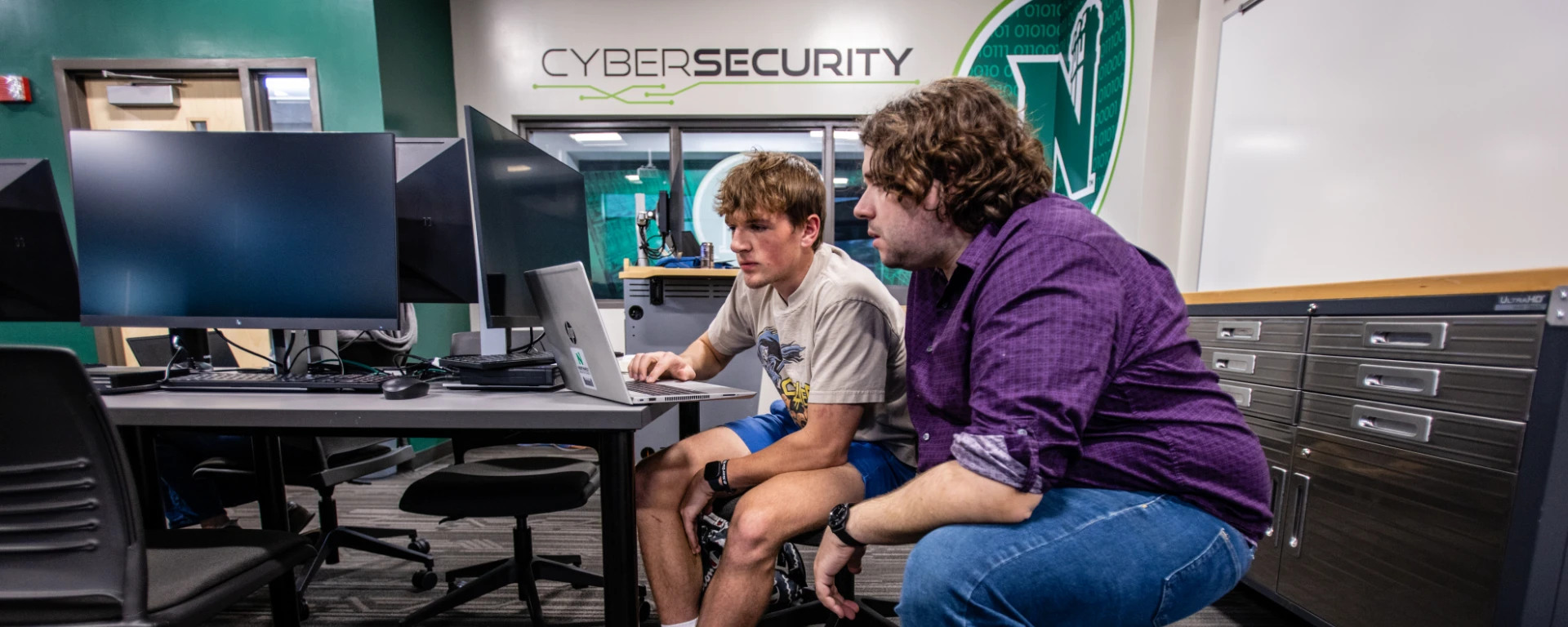
In addition to flexibility in what you study and a range of career prospects, attending Northwest means:
In short, Northwest’s computer science program provides you with everything you need to graduate ready for whatever comes next.
Explore the computer science major at Northwest to see how the program, courses and experiences align with where you want to go.