


Affordable, valuable and accessible – so you can be every you.
We’ll help you understand tuition, scholarships, grants and loans, so you can access a college education as dynamic as
you are.
Be every you.
Paying for college can feel overwhelming, but it doesn’t have to. Northwest can help you understand your costs and explore ways to offset them through scholarships, grants and financial aid.
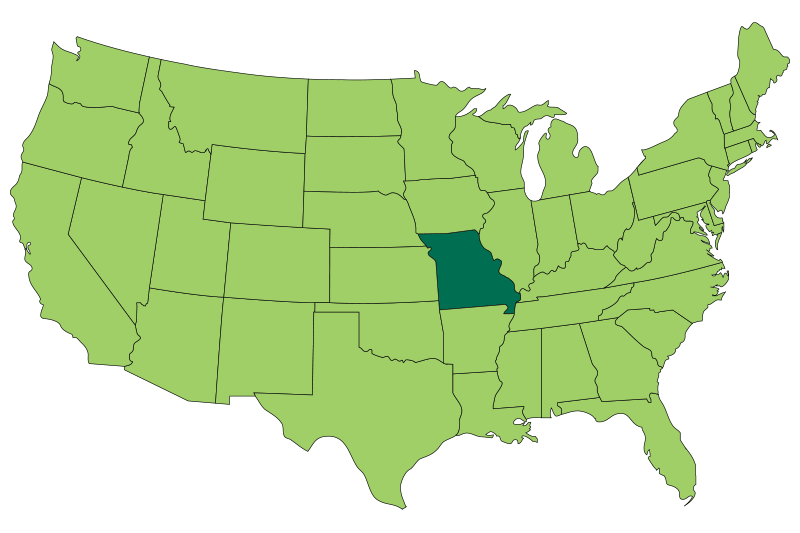
Qualifying out-of-state students with a 2.75 GPA or higher may be eligible for in-state tuition through the Bearcat Advantage. See current eligibility details, award amount and renewal requirements.

Many first-time freshmen are automatically considered for merit scholarships when they apply. Award amounts vary by academic profile.

Curious what your real cost will be to be a Bearcat? Find out with our Net Price Calculator — get an estimate of what YOU might pay after scholarships and financial aid.

The Northwest Promise covers 100% of tuition and fees for eligible students from families with an income of $75,000 or less.

Most Bearcats receive some form of scholarship or need-based aid after filing the FAFSA, making their educational goals more attainable. The 2027-28 FAFSA is officially open – apply today!
Note: Tuition and fees vary by credit hours, academic program, and other factors. Figures shown here are estimates for the year.
While paying for college may be challenging, Northwest offers nearly $25 million in scholarships and grants.
| In-State | Out-of-State | International |
|---|---|---|
| $27,540 | $36,540 | $39,622 |
See what’s included in this estimate
| Business Program | CSIS Program | Other Programs |
|---|---|---|
| $10,836 | $10,800 | $9,720 |
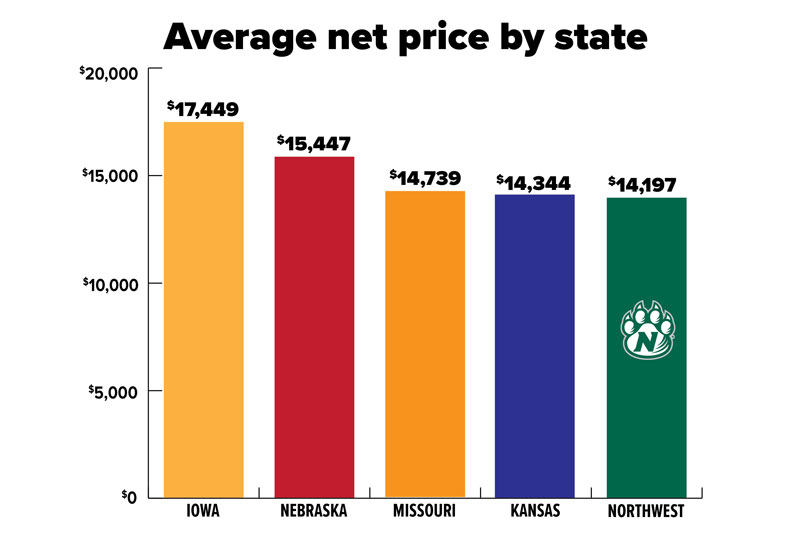
$14,197
First-year student net price (total for the whole year).
A net price is an estimate of the actual cost you and your family need to pay in a year to cover education expenses for you to attend a particular college or career school. It is the institution's cost of attendance minus any grants and scholarships for which you may be eligible. Your net price depends on your financial aid and scholarships. Use the calculator for a personalized estimate.

Find merit-based, need-based, and program-specific scholarships that can make Northwest more affordable.

No need to buy, sell or rent textbooks. Eligible students receive textbooks and a laptop as part of the Northwest experience.
A college degree can be worth millions throughout one’s career. For example, a study by the U.S. Census Bureau showed the lifetime earnings of someone with a high school degree topped out, on average, at $1.2 million. A bachelor’s degree secured an average lifetime earnings of $2.1 million.
75% of bachelor’s degree holders vote compared to 52% of those with a high school diploma. Those with a bachelor’s degree are two times more likely to volunteer, and charitable contributions are 3.5 times higher than high school-educated peers.
People with degrees are more valued in their jobs than those who don't have one. If there is a need for a layoff, those with lower qualifications are targeted. Studies show during an economic recession, those with a high school diploma and fewer skills suffer job cuts.
College graduates have better self-reported health than high school graduates. Individuals with more education are less likely to report heart disease, high blood pressure, diabetes, anxiety and depression. Furthermore, individuals with more education are more likely to exercise, drink less alcohol and seek preventive health care when needed.